How Much Is an Electric Bike? A UK Price Guide for 2026
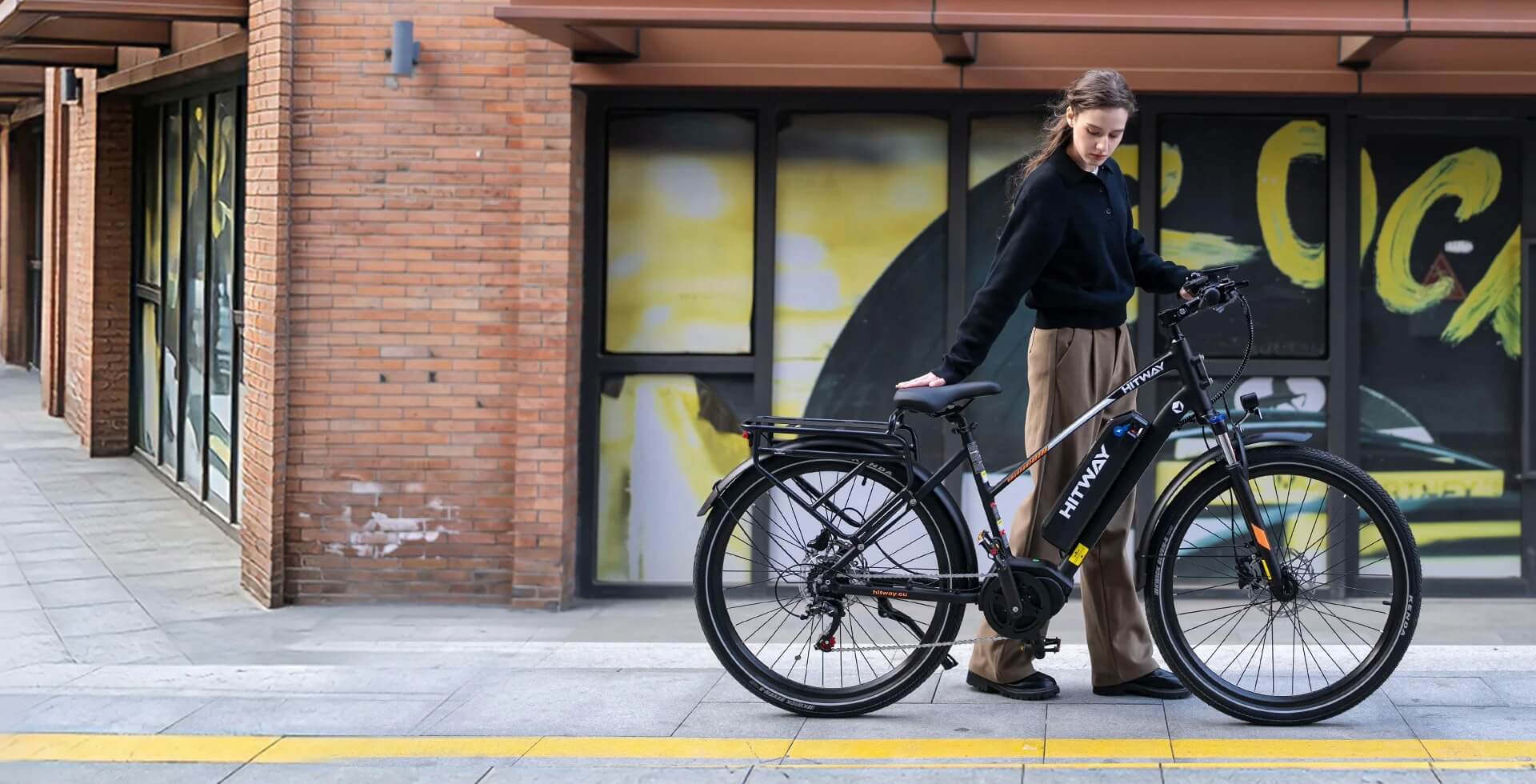
In the UK, most new electric bikes cost between £500 and £1,500, and premium models run from £2,000 upwards. Entry-level e-bikes sit in the £500–£800 band, mid-range bikes from £800 to £1,500, and high-end machines start at £2,000. As a live example, the HITWAY UK range is priced from £599.99 to £1,699.99 depending on the model and any current promotion. This guide explains what you pay, what pushes the price up, and the running costs that arrive after you buy.
How the UK electric bike market splits by price
The market divides into three tiers, and knowing which one you are shopping in makes the numbers easier to judge.
- Entry level, £500–£800: simple hub-motor bikes, almost always 250W, with basic disc brakes and a smaller battery. They suit short, flat commutes and lighter riders.
- Mid-range, £800–£1,500: larger batteries, more range, hydraulic or upgraded disc brakes, and sometimes a lighter frame. This is where most UK buyers end up.
- Premium, £2,000 and above: branded mid-drive motors, high-capacity batteries, premium components and dealer-backed support.
Prices move with promotions, so treat a list price as a starting point and check the live figure on the product page before you buy.
Real prices from the current HITWAY UK range
The table below shows what the HITWAY range actually costs today.
| Model | Price | Notes |
|---|---|---|
| BK5S 16" folding | £599.99 | 250W, assist only, no throttle |
| BK15 Pro 27.5" electric bike | £699.99 | 250W, Shimano 7-speed |
| BK6S 3.0 20×3.0 folding | £849.00 | 250W folding |
| BK8SL 27.5" | £899.99 | See the product page for full specs |
| BK7S Plus 29" | £999.99 | See the product page for full specs |
| BK15 Plus 29" | £1,199.99 | 250W, 70Nm, hydraulic brakes |
| HITWAY BK9S fat-tyre electric bike | £1,299.99 | 250W, 720Wh battery |
| BK15 4.0 fat tyre | £1,299.99 | See the product page for full specs |
The folding bikes open the range at £599.99, the 27.5-inch commuter sits at £699.99, and prices step up to £1,199.99 for the 29-inch model and £1,299.99 for the fat-tyre version. Across the full line-up, the sticker range runs from £599.99 to £1,699.99.
Every model above is a 250W assisted bike that cuts power at 25 km/h, which is what keeps it classed as a normal bicycle in the UK.
What actually drives the price up
Two bikes can look similar and be £600 apart. The difference usually comes from six things.
Motor type. A hub motor sits in the wheel, is cheaper and simpler, and suits flatter terrain. A mid-drive motor sits at the cranks, costs noticeably more, and feels more natural while climbing. Most bikes under £1,000 use hub motors.
Battery capacity and cells. Battery size is measured in watt-hours (Wh). A bigger pack gives more range and costs more, and the quality of the individual cells matters as much as the headline number.
Frame material and build. Aluminium frames cost more than steel but weigh less. Folding frames add hinges and locking hardware, which pushes the price up.
Brakes and gears. Mechanical disc brakes are the budget choice. Hydraulic brakes stop better and cost more. A multi-speed drivetrain adds cost over a single-speed setup.
Folding mechanism. A good hinge is expensive to engineer. Cheap ones rattle; strong ones feel solid for years.
Brand and after-sales. A known brand with a real warranty and spare parts costs more up front but is cheaper to own.
The costs that come after you buy
The purchase price is not the whole story. Running an e-bike in the UK is cheap, but a few costs recur.
Charging. Recharging a bike battery adds only a small amount to your electricity bill, typically a few pence per full charge. Compare that with filling a petrol tank every week.
No road tax, no insurance, no MOT, no licence. A compliant electric bike in the UK is an EAPC, which is treated as a bicycle. You do not need vehicle tax (VED), insurance, an MOT or a driving licence. This is the single biggest gap between an e-bike and a moped, where all four are mandatory.
The battery is the biggest long-term cost. A battery degrades over time and will eventually need replacing. Budget for one replacement over several years of daily use.
Accessories. A helmet, a good lock, lights and mudguards are usually bought alongside the bike. Add these to your first-month budget.
Maintenance. Brake pads, tyres, chains and occasional servicing keep the bike safe. Costs are modest and spread across the year.
Cheap e-bikes: where the savings turn into problems
A low price is not automatically a bargain. Three issues show up most often.
Legal compliance. A bike must have a 250W maximum continuous rated motor and must cut assistance at 25 km/h, with pedals that drive the bike. Anything with a more powerful motor, or a pure twist-and-go throttle, is not a legal EAPC in the UK and is treated as a moped, which means a licence, registration, insurance and a helmet. Never assume a higher-wattage bike is road-legal just because it is sold here.
Battery safety. Unbranded batteries are the most common safety worry. Ask about cell quality and battery safety testing before you buy, and treat suspiciously cheap packs with caution.
No after-sales support. If there is no warranty and no spare parts, a small fault becomes an expensive one. A warranty is worth paying a little more for.
Which e-bike fits your budget
Use this table as a shortcut from budget to bike.
| Budget | What you get | Bike to consider |
|---|---|---|
| £500–£800 | Entry-level hub motor, shorter range, basic brakes | HITWAY BK5S folding electric bike at £599.99 |
| £800–£1,000 | Better battery and range, folding or hybrid frames | HITWAY BK6S 3.0 folding e-bike at £849.00 |
| £1,000–£1,500 | More range, stronger motors, hydraulic brakes, fat tyres | HITWAY BK9S fat tyre at £1,299.99 |
| £1,500 and above | Premium components and dealer-backed support | Top of the HITWAY range is £1,699.99 |
A useful rule of thumb: the more you ride, the more a bigger battery and better brakes are worth. If your commute is a few flat miles, an entry-level bike is enough. If you ride hills, long distances or rough surfaces every day, the mid-range spend pays for itself in comfort and range. Buyers who only ride at weekends can usually stay in the lower tiers without missing much.
How to get more bike for your money
A few habits stretch a budget further. Buy in a sale if you can wait, because promotions on outgoing models are common and can take a three-figure sum off the price. Choose the battery size you actually need rather than the largest one, since range you never use is money you never get back. If you ride in town, a lighter folding bike is easier to store and carry, while a fat-tyre or 29-inch model suits mixed surfaces and longer routes. Weigh the warranty as part of the price too: a slightly dearer bike with real after-sales support can cost less over its life than a cheap one with no support at all.
The bottom line
How much an electric bike costs in the UK depends on the motor, the battery and the frame, but most buyers spend between £500 and £1,500. That figure covers the bike itself. After that, running costs are small, and there is no VED, insurance, MOT or licence to pay for. If you want the cheapest sensible start, an entry-level folding bike is hard to beat; if you want more range and grip, step up to a fat-tyre or 29-inch model. Browse the HITWAY electric bike collection to compare the full range on price and specification, then match the bike to the riding you actually do.


