How Much Is an Electric Moped in the UK? 2026 Prices and Costs
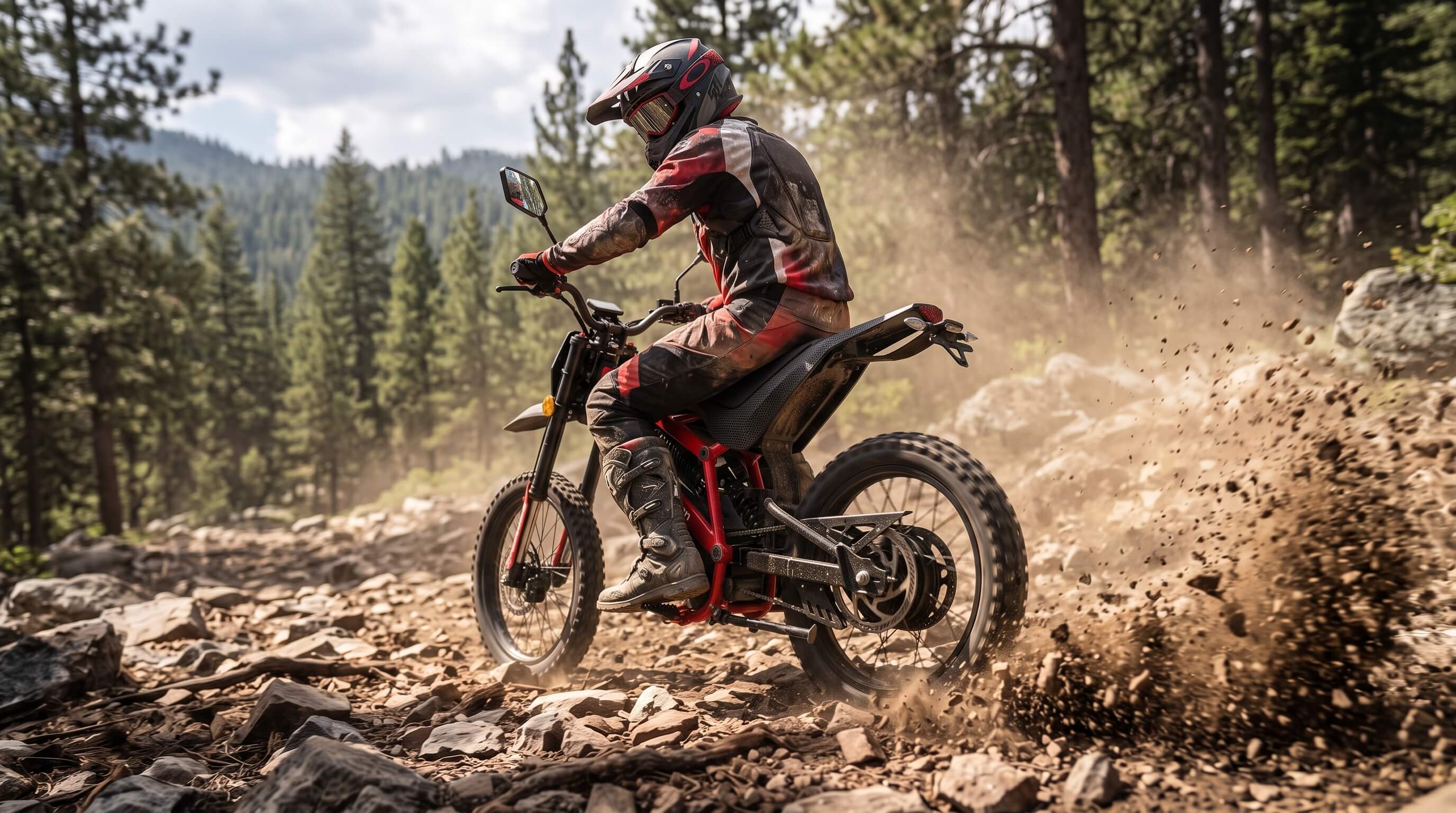
A new electric moped in the UK generally costs more than the petrol equivalent. To put a number on it, a brand-new entry-level petrol moped is around £2,000 (the Keeway Fact X 50cc is about £1,799), and a used 50cc moped often sells for under £1,000. Electric mopeds typically sit above the petrol price for a comparable machine, mostly because of the battery. The sticker price is only part of the story, though: a moped also needs a licence, training, registration, tax, insurance and a helmet, which can add several hundred pounds before you ride a single mile. This guide covers the prices, the legal definition, and the true cost of ownership.
What an electric moped costs in the UK
There is no single price for an electric moped, because the market runs from cheap imports to premium scooters. What is consistent is the relationship to petrol. Electric mopeds generally cost more than an equivalent petrol moped, largely because a large battery sits at the centre of the design.
So start with the petrol anchors. A new entry-level petrol moped is around £2,000, with the 50cc Keeway Fact X at roughly £1,799, and a used 50cc moped often changes hands for under £1,000. Expect a new electric moped to begin above those figures and to climb quickly with battery size and range. Remember, too, that the moped price does not include the cost of getting legal.
What counts as a moped in the UK
UK law defines a moped tightly. A moped has a maximum design speed of no more than 45 km/h (28 mph), and either an engine no larger than 50cc or an electric motor rated at no more than 4kW. Electric mopeds fall under vehicle category L1e and are ridden on an AM licence, which you can take from the age of 16.
Because a moped is a motor vehicle, the usual requirements apply: registration, a number plate, vehicle tax, insurance and a helmet. A machine above those limits is a motorcycle, not a moped, and carries a stricter licence and higher costs.
The costs most buyers forget: getting legal to ride
This is where the real budget gap opens. Before you can ride a moped on the road, you pay for training and tests.
| Requirement | Cost |
|---|---|
| Provisional licence (online) | £34 |
| CBT (Compulsory Basic Training) | £130–£190 |
| Motorcycle theory test | £23 |
| Module 1 (off-road manoeuvres) | £15.50 |
| Module 2 (on-road test) | £75 weekday / £88.50 weekend |
| Total to a full AM licence | about £275–£400+ |
A CBT pass gives you a DL196 certificate, lets you ride with L plates, and is valid for two years; if you do not pass your full test within that window, you must retake it. On top of training, you need DVLA registration and a number plate, vehicle tax (VED) at the lowest band, at least third-party insurance, and a legal motorcycle helmet. Learners must display L plates front and rear, must not carry a passenger and must not use a motorway. Riding without a licence or insurance is illegal.
One special case is worth knowing. If you passed your car driving test before 1 February 2001, you can ride a 50cc moped without L plates, though a CBT is still advised. If you passed on or after 1 February 2001, you must complete a CBT first; once done, your AM entitlement lasts as long as your car licence.
This article is general information about UK law, not legal advice — check GOV.UK for the current position before you ride.
Electric vs petrol moped: running costs
Once you are legal, the two moped types pull apart on running costs.
Energy. Electricity is cheaper per mile than petrol, and charging a moped battery at home costs far less than filling a tank each week. The saving is real, but modest unless you cover a lot of miles.
Maintenance. An electric moped has fewer moving parts: no oil changes, no spark plugs, no exhaust. Servicing is usually simpler and cheaper. Petrol mopeds need more frequent servicing and consumables.
Battery replacement. This is the catch. A moped battery is expensive and will eventually need replacing, and a single replacement bill can wipe out years of fuel savings. Factor it in from the start.
Insurance, tax and the helmet requirement apply to both, so they do not separate the two options. Over three or four years of regular riding, the energy and servicing savings can add up to a meaningful sum, but only if the battery lasts that long without replacement.
Total cost of ownership: electric moped vs petrol moped vs e-bike
| Cost | Electric moped | Petrol moped | 250W e-bike (EAPC) |
|---|---|---|---|
| Minimum age | 16 | 16 | 14 |
| Licence and training | Provisional £34, CBT £130–£190, theory £23, Modules £15.50 / £75–£88.50 | Same as electric | None |
| Registration and plate | Required | Required | None |
| Vehicle tax (VED) | Lowest band | Lowest band | None |
| Insurance | At least third party | At least third party | None |
| Helmet | Approved motorcycle helmet | Approved motorcycle helmet | Bicycle helmet advised |
| Purchase price | Higher than equivalent petrol | New ~£2,000, used under £1,000 | From £599.99 |
| Energy | Electricity, cheap per mile | Petrol | Electricity, a few pence per charge |
| Maintenance | Lower than petrol | Higher | Low |
| Battery | Long-term replacement cost | Not applicable | Long-term replacement cost |
The licence-free alternative: a 250W e-bike
If the point of a moped was cheap, simple transport, a 250W electric bike can do the same job for far less. A compliant e-bike is an EAPC, which UK law treats as a bicycle. It needs no licence, no registration, no vehicle tax, no insurance and no MOT, and you can ride one from the age of 14.
The entry price is lower as well. The HITWAY BK5S folding electric bike starts at £599.99, and the BK15 Pro 27.5" electric bike is £699.99. For longer rides, the HITWAY BK15 Plus 29" electric bike adds range and hydraulic brakes, while the HITWAY BK9S fat-tyre electric bike suits mixed surfaces and comfort.
The trade-off is speed and distance. An EAPC assists only up to 15.5 mph and cuts power at 25 km/h, so it is slower than a moped and not built for motorways. But for town trips, short commutes and errands, it removes every licence, tax, registration and insurance cost on this page.
Are electric mopeds worth the extra cost?
An electric moped makes most sense for riders who cover a predictable daily distance and can charge at home or at work. The higher purchase price is offset over time by cheaper energy and lighter maintenance, provided you keep the bike long enough for those savings to outweigh the battery's eventual replacement. If your trips are short and irregular, or you cannot charge easily, the maths rarely works in the moped's favour, and a petrol moped or a 250W e-bike will usually cost less overall. The deciding factors are distance, charging access, and how long you plan to keep the machine.
The bottom line
An electric moped generally costs more to buy than an equivalent petrol moped, and on top of that you pay for a provisional licence, CBT, theory and both practical modules, plus registration, tax, insurance and a helmet before you ride legally. That is the true answer to how much an electric moped costs: the vehicle is only part of the bill.
If you simply want to cut the licence, tax and insurance paperwork, a 250W EAPC is the cheapest route. It is road-legal from 14, needs no licence, no registration, no tax and no insurance, and starts well below any moped. Browse the HITWAY electric bike collection to find a licence-free ride that fits your commute.


